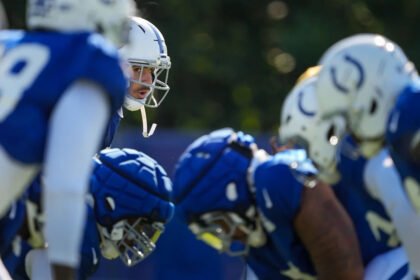

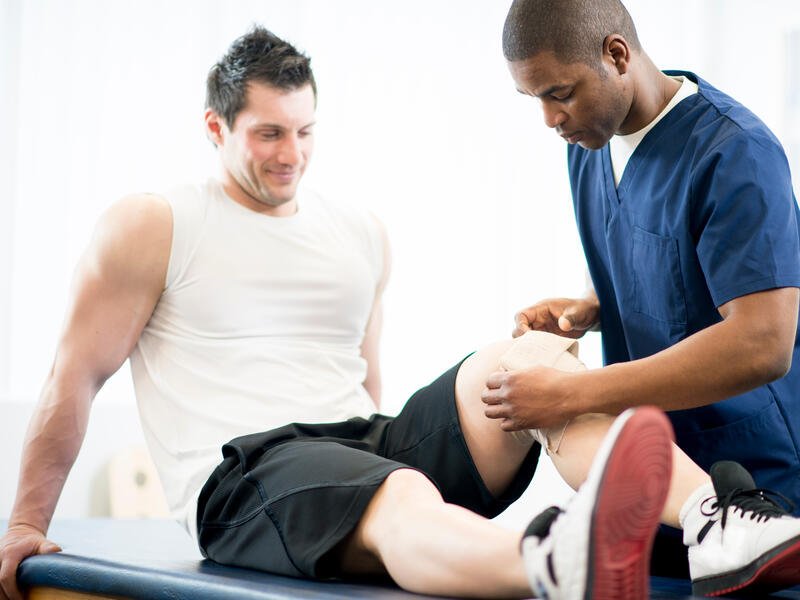
When athletes are injured, the damage done can often extend beyond what an X-ray or MRI might reveal.
One minute the conventional challenges of competing are right there in front of you. In the next, all sorts of unanswered questions are making your life as an athlete more complicated.
The pain of an injury is often compounded by the mental toll. Whether it’s just a sprained ankle in need of an ice pack, or a torn ACL in need of surgery and months of rehab, it can be difficult to maintain a positive attitude when you’re separated from your sports.
“Obviously, every situation with injuries is different, but if you’re out of a championship game because you can’t put weight on your ankle yet, you’re going to be aggravated, right?” Sanford Health neuropsychologist and sports psychologist Josefine Combs explained. “So essentially, no injury is fine. No matter what the circumstances, it’s just not how it’s supposed to be.”
As a neuropsychologist, Dr. Combs serves as the medical director of concussion services at Sanford Health who works with athletes and nonathletes in evaluating and treating head injuries in Sioux Falls, South Dakota.
She also offers sports psychological services to all ages and all skill levels. In her role as a sports psychologist, she helps athletes deal with possible mental health issues that can come with sports injuries.
It’s OK to struggle
A main message: Injuries are a very real possibility when you’re involved in sports. Though recovery times can vary widely, most often you’re going to heal up and be able to get back out there.
“I always tell the athletes I work with that’s it’s OK to struggle with your injury,” Dr. Combs said. “If you pour so much effort, time and money into doing something, you’re going to have big feelings about it. It’s normal and it’s natural.”
Communication is a key part of navigating the time away from competing. Communication is also vital in summoning motivation for rehab and recovery. Understanding the “why?” part of time on the sidelines, however unpleasant it can seem, is necessary and in an athlete’s best interest.
“Expectations become very important,” Dr. Combs said. “If I take my injury seriously, but stay optimistic, things are going to go a lot better for me. Sometimes people are in denial, which can lead to a negative outcome. If I say, ‘Oh, it’s not that bad. I don’t need that brace. I can get through this game,’ then they might be risking long-term complications. We are always going to give an injury the respect and the care it needs.”
Explain the circumstances
Athletes are more likely to follow recovery plans when they understand how those plans help them return to sports safely.
“That’s especially true of younger kids,” Dr. Combs said. “Communication can be powerful in explaining to them why we are doing what we’re doing. It might be something like, ‘I know you don’t think this boot is necessary, but here’s why I’m telling you it is.’ We can approach it from a holistic self-care standpoint and make sure we communicate to young athletes that it’s not a punishment. It’s about taking care of you so you can keep playing sports.”
Dr. Combs frames it as one might talk about a car. If you don’t put gas in the tank – or in this case, grant yourself necessary healing time – you’re not going to go very far.
“You have to give your body what it needs and sometimes what it needs is rest,” she said. “We try to normalize that injuries come with the territory, while at the same time helping them understand that their body is a resource.”
Watching the pros
Professionals play an inspirational role in the lives of young athletes. It can be a great source of motivation to try to emulate sports heroes, but when it comes to injuries, the best of the best can sometimes serve as an unrealistic example of how long it will take to return to action.
Dr. Combs will often counsel athletes coming back from a torn ACL who have read about well known athletes who have made it back in nine months or less. When their own recovery lags behind that pace, they get frustrated and start wondering what is wrong.
In most cases, nothing is wrong.
“If you’re a pro athlete and you rehab every day for eight hours and you have every resource available, you might be able to come back quicker than the rest of us,” Dr. Combs said. “It can be different if you have a job or you’re going to school. It’s OK to feel your feelings in those circumstances. You’re allowed to be mad. You’re allowed to be sad. You’re allowed to cry.”
Incorporating teamwork
Overcoming frustration is more difficult when an athlete senses coaches or teammates think they’re “dogging” it. Or, if an athlete feels teammates and coaches have moved on without them.
“I have a lot of athletes who feel like, ‘My teammates think I’m weak because I’m still not over this,’” Dr. Combs said. “There are coaches who have almost a punishing attitude when someone is injured. It’s like, ‘Well, now that they’re out, it’s going to ruin my plan for this game.’ That’s instead of remembering that these athletes are human beings. They are more than the roster spot they have on this team.”
Injured athletes who make efforts to stay involved with their teams do better psychologically, Dr. Combs said. That doesn’t mean they need to attend every practice and constantly remind themselves that they can’t participate – that may make things more difficult – but there are still ways to stay in the game, so to speak.
“Just try to make it to team activities. Do your best to continue to bond with your teammates,” Dr. Combs said. “If you’re the teammate of injured athletes, make sure you invite them to activities like fundraisers and dinners. Do whatever you can to help them feel like part of the team.”
Help is there if you need it
It’s important to remember that Sanford Health providers like Dr. Combs are available for conversations.
“Sports psychology has improved significantly,” she said. “It’s considered more normal and recognized. At Sanford, it has uniquely positioned us from a research standpoint and from a cultural standpoint in the ways we integrate mental health into our approach to sports.”
As examples, Dr. Combs counseled an athlete who was ready to quit their sport due to fears surrounding their injury. In another case, she helped an athlete come to terms with a permanent injury and adapt how they compete.
Both athletes’ conversations with Dr. Combs led to a better attitude about the unique challenges coming their way.
“In both cases, we had to do things differently, but different doesn’t always mean bad,” Dr. Combs said. “We have to ask, ‘How can we work with this instead of letting it become the thing that defines us?’”
Dr. Combs encourages parents, coaches and caregivers to seek out information on ways of helping injured athletes. In her words, “Meet them where they’re at.”
Injuries in sports are unavoidable, but communication and understanding can be effective tools in returning to full speed.
“It’s best to think about it as part of a process,” Dr. Combs said. “If you’re an athlete, you have to be thinking you’re just going to have to do things differently for awhile, and then you can get back to all the things you love about sports.”
Where to find mental performance support
Athletes and coaches at every level can benefit from developing and maintaining a strong mental approach to their sport. It can start with contacting your Sanford provider or seeking out mental health support. All training programs from Sanford Sports offer mental performance support to keep athletes at the top of their game.
Learn more
- Gymnast competes again with help from sports psychologist
- NFL prospect overcomes mental health issues on path to pros
- Neuropsychologist plays vital role in concussion recovery
…
Posted In Behavioral Health, Brain & Spine, Sanford Sports, Sioux Falls, Sports Medicine